The bigger the business, the bigger the opportunity to close the gender gap
Reaching 100 employees is a milestone worth celebrating. It also brings new legal obligations, including annual reporting to the Workplace Gender Equality Agency (WGEA).
The process can give you valuable insight into pay equity, representation and workplace culture.
Here’s what employers need to know.
What is WGEA reporting and who must comply?
Under the Workplace Gender Equality Act 2012, all private sector employers in Australia with 100 or more employees must submit an annual report to WGEA.
The report includes:
- base salary and total remuneration data
- workforce composition by gender
- promotions and resignations
- parental leave statistics
- flexible work arrangements
- gender equality policies
Reporting generally opens in April and closes at the end of May each year. If you’re approaching the 100-employee threshold, it’s a good idea to prepare early.
Why WGEA compliance matters beyond avoiding penalties
Non-compliance can result in:
- public listing as non-compliant
- potential ineligibility for Commonwealth procurement contracts
- reputational risk
But reporting isn’t just a regulatory exercise. It provides visibility into your internal gender pay gap and representation patterns.
Many organisations assume they pay fairly, only to uncover structural imbalances once their data is properly analysed.
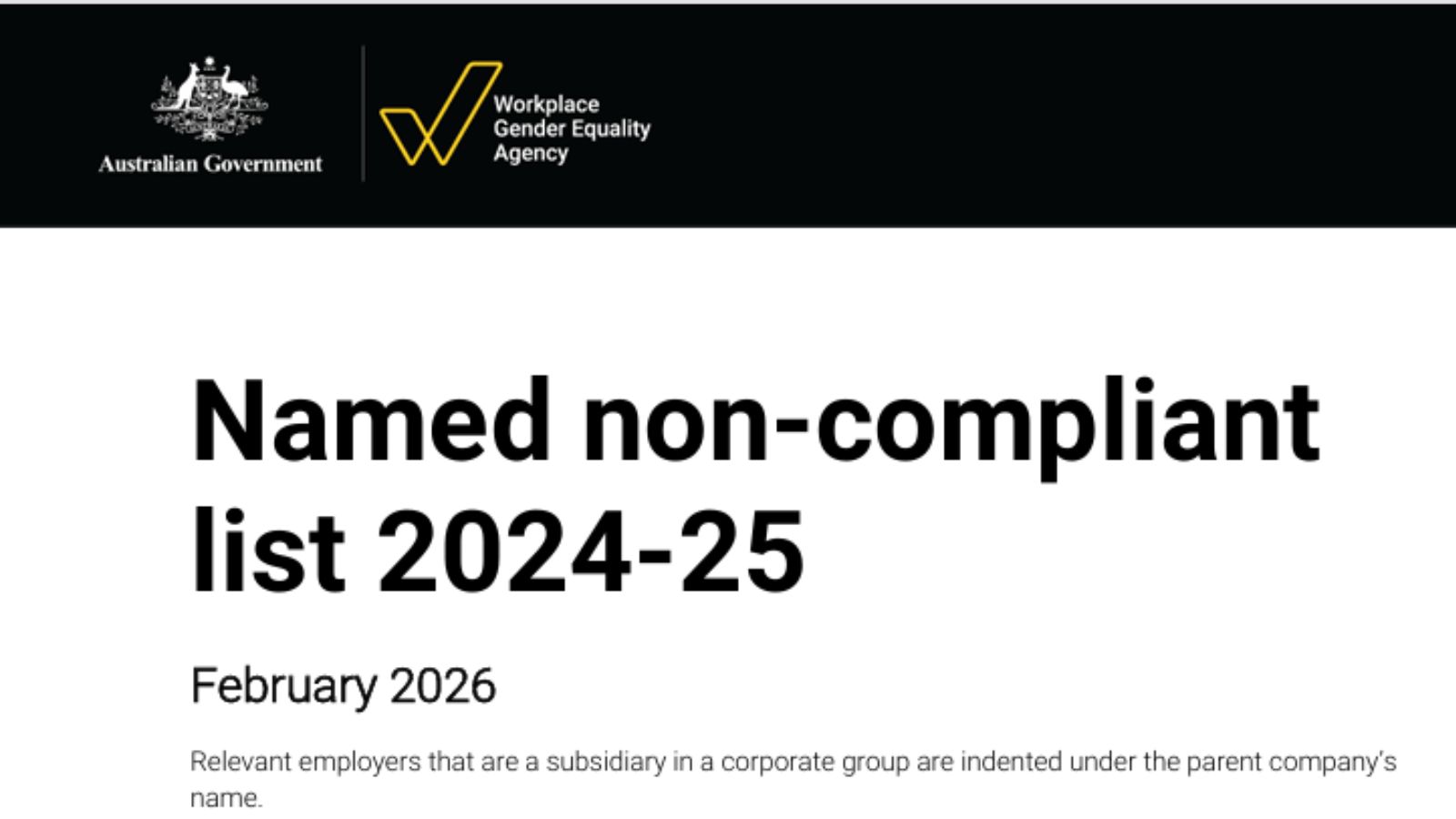
Avoided being publicly listed
Practical steps to prepare for WGEA reporting
Compliance becomes difficult when left to the last minute. Strong systems make reporting routine rather than reactive.
Confirm your headcount early
If your workforce fluctuates, check whether you meet the 100-employee threshold during the reporting period. Casual employees count if they are employed on the snapshot date.
Audit your payroll data
Your system must accurately capture:
- base salary
- superannuation
- bonuses and allowances
- employment status
- manager and non-manager classifications
Incorrect classification is one of the most common issues in first-time reports.
Review gender data settings
Ensure your Hr system aligns with WGEA’s reporting framework while maintaining employee privacy and dignity.
Update relevant policies
You’ll need policies covering:
- flexible work
- parental leave
- equal remuneration
- sexual harassment prevention
- employee consultation
If these haven’t been reviewed recently, now is the time.
Common reporting mistakes to avoid
Frequent issues include:
- leaving preparation until the reporting month
- inconsistent payroll data
- misunderstanding manager classifications
- failing to brief executives on results
- treating the report as compliance only, not strategy
The process is far smoother when Hr, payroll and leadership collaborate early.
Turning reporting into a strategic advantage
If your business has recently crossed 100 employees, take this opportunity to see this reporting not as a regulatory burden, but instead as:
- a workforce health check
- a leadership accountability measure
- a market signal that equity matters
Organisations that embed gender equality into their business often see stronger engagement, broader talent pools and improved performance.
Compliance is the baseline, leadership is the goal
WGEA reporting is mandatory. Acting meaningfully on gender equality is what sets responsible employers apart.
If your systems, classifications or policies aren’t ready, seek advice early. A structured review now is far easier than explaining non-compliance later.
Essential WGEA resources
Step-by-step guidance on eligibility, data requirements and how to submit your annual report: WGEA Reporting Guide
Access the WGEA employer portal to lodge and manage your report: Employer Portal
WGEA’s latest national gender equality results, trends and analysis: WGEA 24/25 Annual Report
A simple early review of your payroll data, classifications and policies can make the process smoother and far more valuable. If you’re unsure where to start, contact us before the reporting window opens.